best car repair insurance choices for long-term peace of mind
Start with fit, not hype
We weigh repair risk against budget stability. Paying a little each month to avoid one big bill can be sensible, but only if the coverage aligns with how long we plan to keep the car and the way we maintain it.
What it usually covers - and what it rarely does
Often covered: sudden mechanical or electrical failures after the factory warranty ends, especially on complex components that fail without neglect.
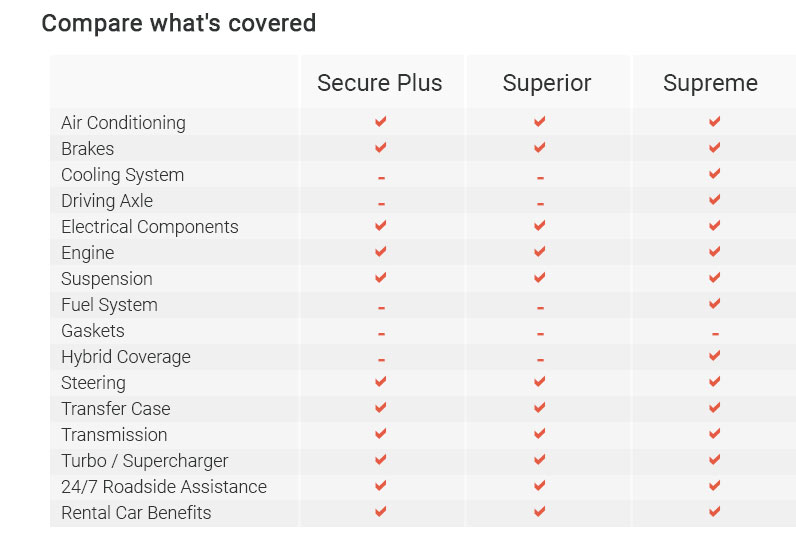
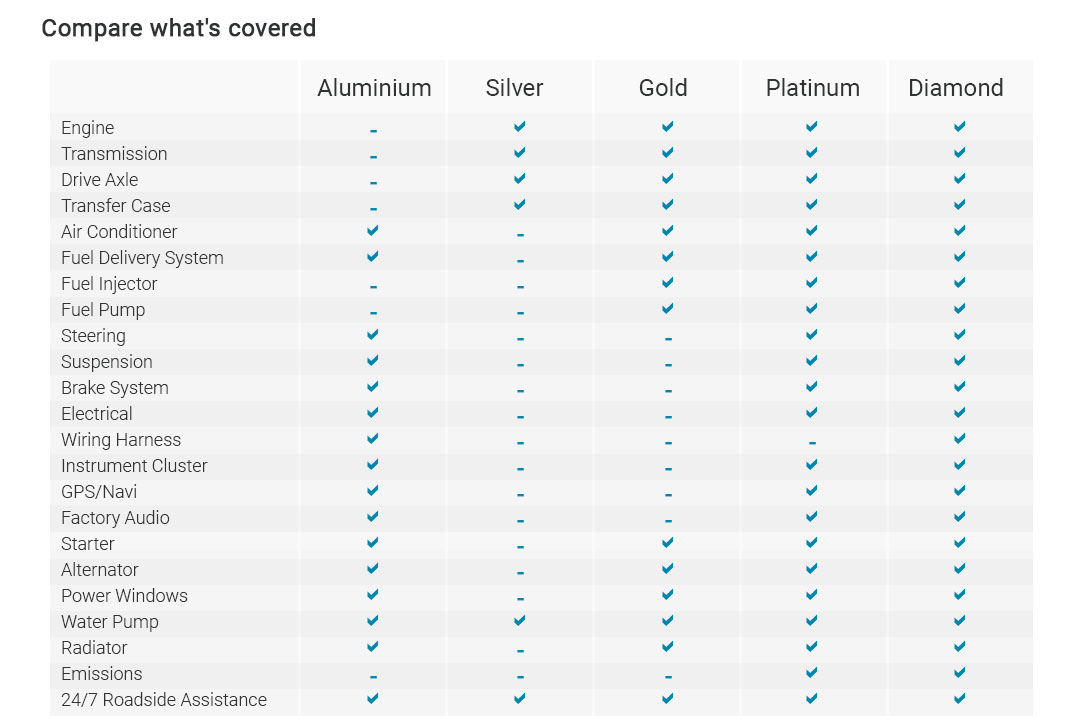
Engine, transmission, and drivetrain internals after a covered breakdown.
ECU, infotainment head units, instrument clusters, and other electronics (if listed).
Air conditioning systems, steering racks, fuel pumps, and similar assemblies.
Usually not: routine upkeep or predictable wear, which can be a surprise if we skim the contract.
Wear-and-tear unless explicitly included; trim and upholstery are typically excluded.
Preexisting conditions, modified parts, and bodywork from collisions.
Coverage tiers, decoded
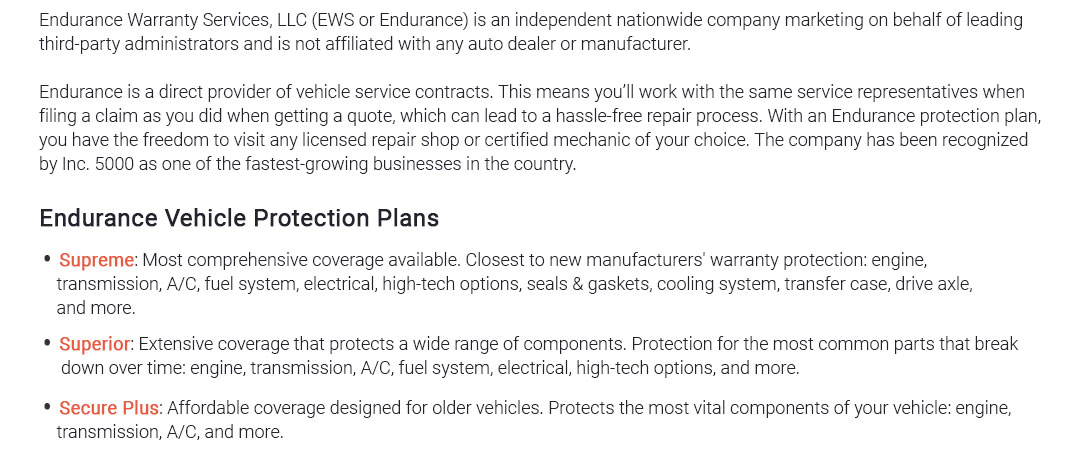
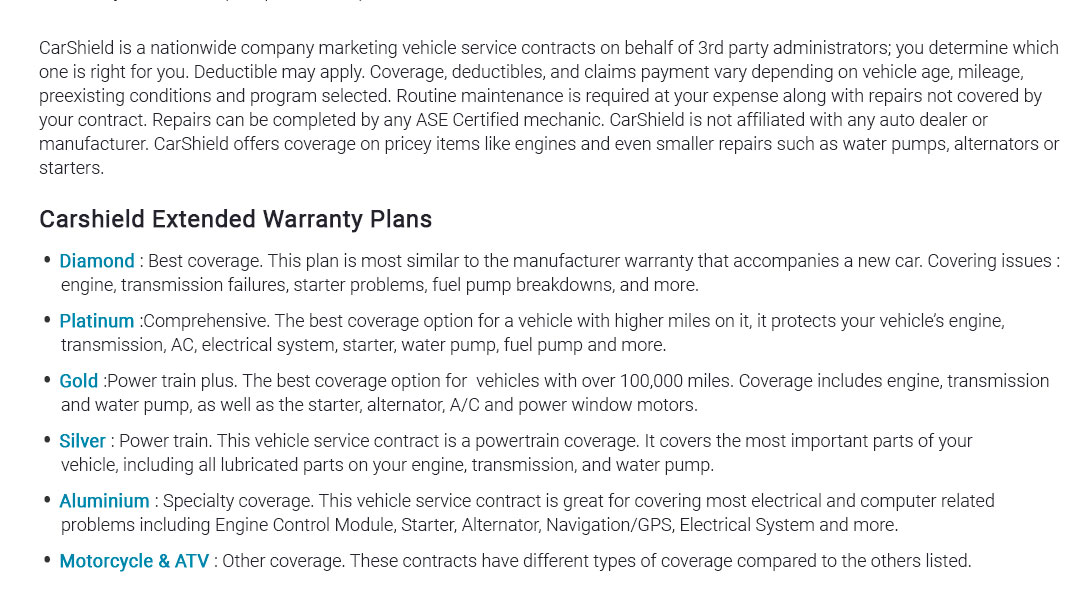
Powertrain only: cheaper, narrower. Helps with the priciest failures but ignores many modern electronics.
Stated-component: a middle list of named parts. Read line-by-line; what's not named is not covered.
Exclusionary (sometimes called "bumper-to-bumper"): broadest; everything is covered except what's explicitly excluded. Usually the most expensive.
Tradeoffs that matter over five to ten years
Deductible vs premium: higher deductible lowers monthly cost, but one claim can erase savings; balance against our emergency fund.
Labor-rate caps: some policies reimburse a set hourly rate; if local shops charge more, we pay the difference.
Network rules: open choice of repairer offers control; network-only may speed authorizations but limit options.
Claim friction: strong adjuster access and fast parts approvals reduce downtime; weak support turns breakdowns into marathons.
Transferability: a transferable plan can add resale value if we sell early; non-transferable saves upfront but gives nothing back.
Mileage/age windows: buying earlier often means better pricing and fewer exclusions; late purchases carry surcharges.
A quiet reality check
Long-term impact: the "best" plan is the one we'd still want three winters from now, not just on the day we sign.
Real-world moment
On a rainy Thursday, our colleague Lina's water pump failed at 92,000 miles. She called her insurer from the lot; the adjuster spoke directly with the shop, pre-authorized the teardown, and the bill landed at $1,180 - she paid a $100 deductible. She was back on the road next afternoon. The plan didn't include rental beyond two days, so she used a rideshare once; that small inconvenience made us add trip-interruption coverage at renewal.
Costs and levers we control
Vehicle profile: high-tech luxury models and turbo/hybrid drivetrains cost more to cover.
Term length: longer terms reduce per-year anxiety but magnify the risk of ownership changes.
Mileage band: selecting a mileage tier just above our annual driving keeps price fair without paying for unused miles.
Deductible style: per-visit deductibles can be kinder than per-component when multiple parts fail together.
How we choose with priority in mind
Decide our ownership horizon (years and miles) and rank what must be protected first.
Pull the sample contract before price talk; highlight exclusions, labor caps, diagnostics coverage, and parts quality.
Get at least two quotes across tiers with identical deductibles for clean comparison.
Call the claims line as a "prospect" to gauge responsiveness; slow phones now mean slower authorizations later.
Ask our mechanic which administrators are easy to work with and which stall approvals.
Priority checklist (quick scan)
Must-have: clear coverage for our car's known weak points.
Deal-breaker: no coverage for diagnostics or teardown on denied claims.
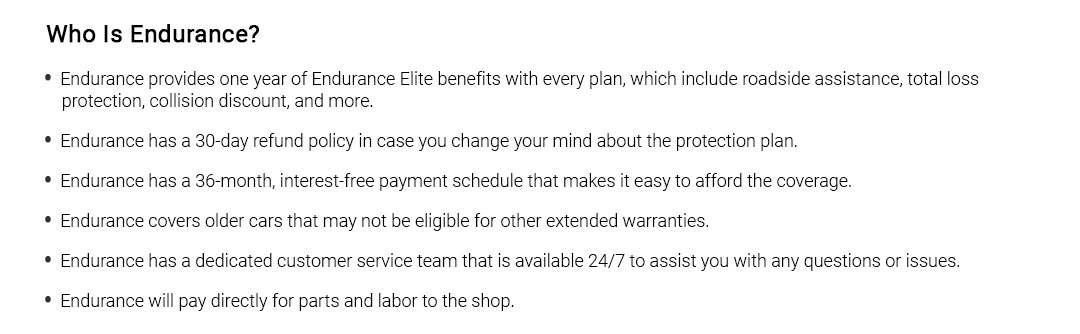
Nice-to-have: roadside, rental, and trip interruption with realistic daily caps.
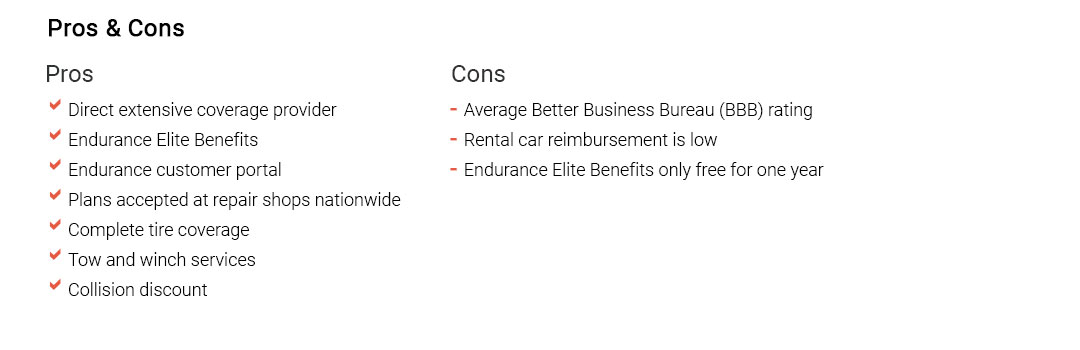
Proof: sample payout scenarios and claims stats, not just sales language.
Small print that quietly changes everything
Diagnostics: covered, capped, or excluded? Modern troubleshooting isn't cheap.
Consequential damage: if a covered part fails and harms an uncovered one, are both paid?
Betterment: will we owe extra when new parts "improve" the car beyond pre-failure condition?
Fluids and shop supplies: included or out-of-pocket?
Parts quality: OEM, new aftermarket, or remanufactured - who decides and when?
Steering: any requirement to use reman parts or specific chains even when local options are better?
Cancellation/refund: pro-rata refunds and fees if we sell the car early.
Who likely benefits - and who can skip
Likely benefits:
Owners planning to keep a complex car past 100,000 miles.
Drivers who value predictable costs over occasional large surprises.
People without a robust repair fund who still need reliable transportation daily.
Might skip:
Short-term owners covered by an existing factory warranty.
DIY or low-labor-cost owners with a healthy emergency reserve.
Vehicles with low historical failure rates and inexpensive parts.
Closing thought
The best car repair insurance isn't the broadest or the cheapest - it's the one that protects our top priorities with the least friction over the life we expect from the car, leaving room to adjust as our needs evolve and as the odometer climbs.